
My name is Chris Ramirez, and I’m a three-time cancer survivor. When I was 17, I was diagnosed with a type of brain cancer called glioblastoma and was given less than two months to live. Today, I’m 34 and healthy.
It all began in 2009... more
Brain Tumors
Brain tumors are the most common solid tumors in children. Brain tumors kill more than 500 children each year, making them the most common cause of cancer deaths as well, surpassing leukemia in 2016 – not because brain tumors suddenly became more lethal, but because pediatric leukemia research had improved outcomes.
Tumors can be considered malignant or high-grade, meaning they are made of cells that grow quickly, or low-grade, meaning they are made of cells that grow slowly. But no matter the grade, brain tumors are serious and deadly.
Download the Brain Tumor Impact Report.
Their location within the critical structures of growing brains not only causes the tumors to jeopardize normal function, but it also makes treatment risky. Mainstays of treatment, like tumor resection (surgery), radiation, and chemotherapy all come with high risks, and those high risks are important considerations with emerging treatments, such as immunotherapy, as well. None of this makes treating brain tumors easy, but Alex’s Lemonade Stand Foundation is funding research to help. You can too by sharing our awareness graphics on social media or donating to fund research discovering new treatment options for these kids.
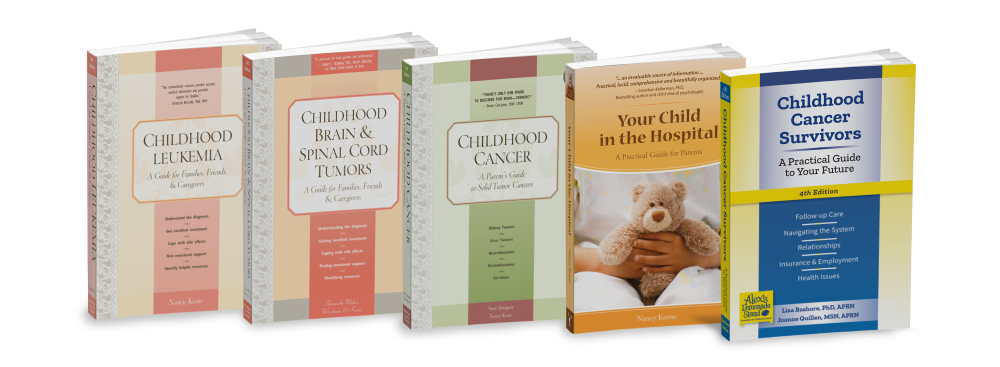
If your child has been diagnosed with a brain tumor, you can request a copy of ALSF's Childhood Brain and Spinal Cord Tumors to learn more about your child's cancer and treatment options, as well as read stories from other childhood cancer families.
Share our Brain Tumor Awareness Month Social Graphics
Watch stories of our childhood brain tumor heroes and funded researchers making a difference.